Glute Workout at Home Without Equipment: 6 Exercises and Plan
Get six bodyweight glute exercises and a working plan on a mat. Next: sets, progression without dumbbells and how to check that your glutes are working, not your lower back.
Contents
Plan When You Only Have a MatWarm-UpSix ExercisesHow to Run the SessionHow to Progress Without DumbbellsWhen the Lower Back Takes OverWhen to Stop and How OftenPlan When You Only Have a Mat
Six exercises. Do 2 rounds for the first two weeks, then 3 if your hips stay steady in the bridge and your knees do not cave in. Rest 45-60 seconds between exercises and up to 90 seconds between rounds. The session takes 20-25 minutes.
Train twice a week, not on consecutive days. WHO recommends adults do strength work at least two days a week. Squats and lunges cover leg strength with body weight. If you already follow plan-trenirovok-doma-4-nedeli-dlya-novichkov, slot this block into leg days and avoid stacking it as a third session.
Stop if knee or lower-back pain increases with each rep. A feeling of heaviness and warmth in the glute at the end of a set is fine. Sharp or shooting pain is not.
Warm-Up
- Clear the floor so you have space to step back for lunges and lie on your back.
- Lay out your mat so your hips do not slide on the lift.
- March on the spot for 4-5 minutes, circle your hips and do 8 shallow squats.
- Check you can stand up from the floor without a jerk. If not, keep a chair nearby and use it lightly for support in lunges and squats.
Bare feet or socks with grip work better on a smooth mat than trainers that slip.
Six Exercises
Start with floor moves so it is easier to feel the glutes and keep the lower back out of the work. Then move to standing. EMG reviews show squats, lunges and hip extension produce high gluteus maximus activity. The floor bridge is the same hip-extension pattern without a bench: lift the hips with the glutes, not the back.
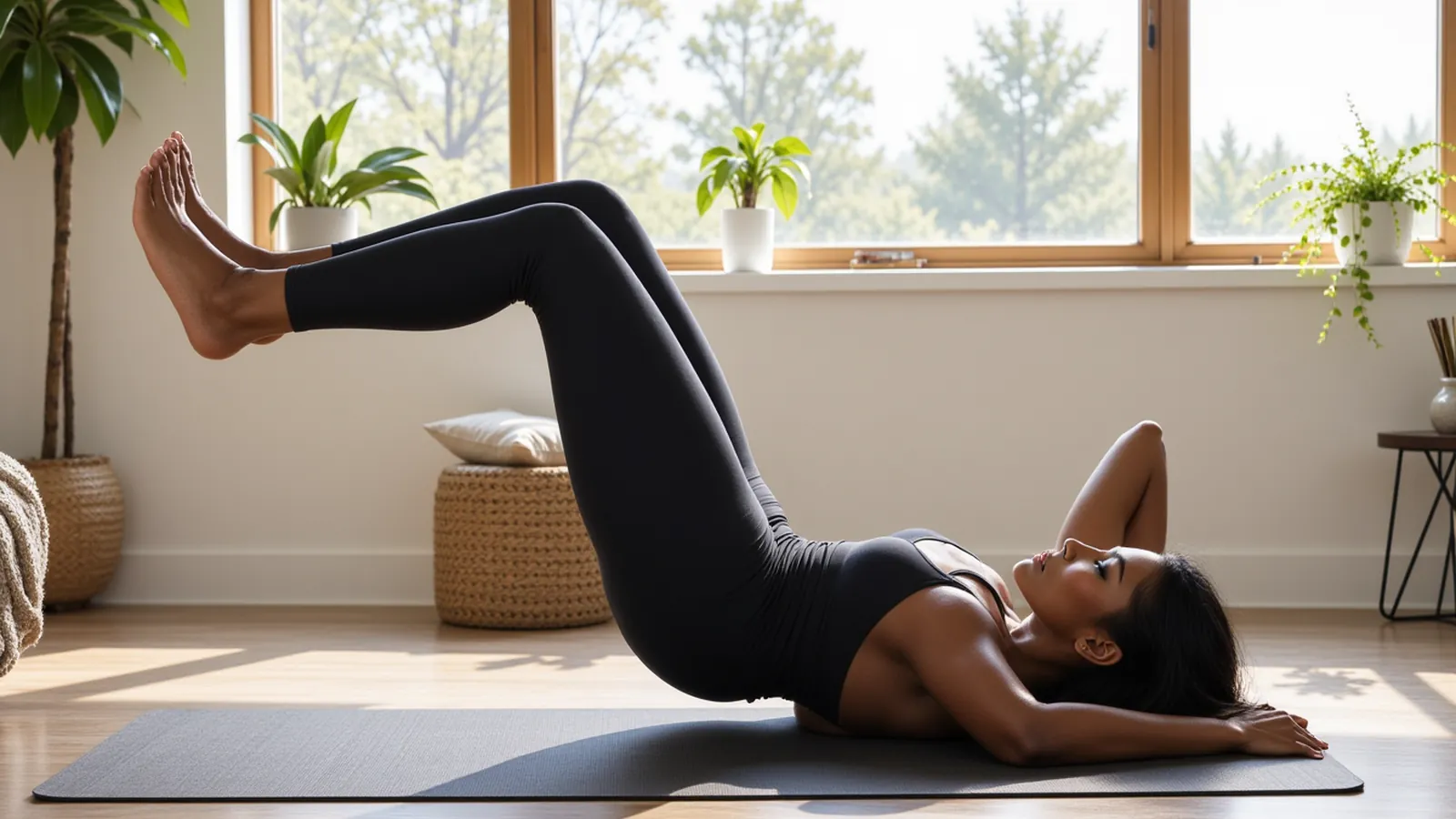
1. Glute Bridge
Lie on your back. Feet hip-width, heels under or slightly in front of your knees. Arms by your sides, palms down.
- Press the whole foot into the mat.
- Lift your hips until you form a straight line from shoulders to knees.
- Squeeze your glutes for 1-2 seconds. Keep ribs heavy and do not flare the chest.
- Lower for a count of three without dropping.
Feel it working. Glutes feel firm at the top. Lower back stays neutral. Place fingers on the lower belly: it stays gently drawn in.
Common mistake. Pushing the hips as high as possible. This arches the lower back and switches the glutes off.
10-12 reps.
2. Single-Leg Bridge
Same start. Extend one leg or keep the knee bent and hold it in the air. Keep hips level, like a tray of water.
- Drive through the standing foot.
- Lift without twisting. The standing knee tracks over the second toe.
- Short pause at the top, then lower slowly.
Check. Front hip bones stay level. If the free side drops, reduce the range.
8-10 reps per side. Start with the weaker leg.
3. Squat
Feet slightly wider than hips, toes turned out a little. Sit between your feet as if aiming for a low stool. Knees track over toes, heels stay down. Stand and give the glutes a gentle squeeze at the top without leaning back.
Depth, knee and back cues are covered in prisedaniya-tehnika-bez-oshibok. If knees cave, shorten the range and keep them in line with the toes.
10-12 reps.
4. Reverse Lunge
Stand tall. Step one foot back onto the ball of the foot. Front knee over the middle of the foot, back knee points to the floor. Keep the torso upright. Push through the front heel and bring the feet together.
If the front knee hurts even on a small bend, shorten the step and depth. If pain continues, drop lunges for this week and keep only bridges and abductions.
Check. Front knee stays in line, hips square, weight mostly on the front heel.
8-10 reps per side.
5. Donkey Kick on All Fours
Hands under shoulders, knees under hips. Back almost flat, gaze down. Drive one bent leg back and slightly up, heel toward the ceiling. Move from the hip joint, not the lower back.
Stop when the glute contracts. Beyond that point the lower back usually takes over.
Check. Hips stay square. Shoulders relaxed. Short range is normal.
10-12 reps per side.
6. Side-Lying Hip Abduction
Lie on your side, body in one line. Bend the bottom leg slightly for stability. Turn the top foot slightly toward the floor and lift the leg 30-45 degrees, slightly behind the midline.
Pause at the top, lower without banging the legs together.
EMG studies of rehab moves show side-lying abduction and single-leg work strongly recruit gluteus medius. It keeps the pelvis stable so knees do not cave in squats and lunges.
Check. Hips stay stacked, torso does not roll back. You feel the side of the glute, not the lower back or front of the thigh.
10-12 reps per side.
How to Run the Session
- Warm up 4-5 minutes.
- Move through exercises 1-6 in order, using the rep ranges above.
- Rest 45-60 seconds if you are out of breath. Breathing should settle in 30-40 seconds.
- Second round. After two weeks, if the bridge stays level and knees track well, add a third round.
- Finish with 1-2 minutes of walking around the room. Do not flop straight onto the sofa with an arched back.
| Level | Rounds | Reps | Top Pause |
|---|---|---|---|
| First 2 weeks | 2 | 8-12 | 1 second |
| Form solid | 3 | 10-15 | 2-3 seconds |
How to Progress Without Dumbbells
Body weight gets easy quickly if you cheat on height or speed. Nail quality first. Then change one variable per week.
- Slow lower. Take 3-4 seconds to descend in bridges and squats. Stand or lift without momentum.
- Pause at contraction. Hold 2-3 seconds at the top of the bridge, bottom of the lunge and peak of the kick.
- Pulse. 8 full bridges plus 8 small pulses in the top third without dropping the hips.
- Single leg. Swap the two-leg bridge for the single-leg version. In squats, work toward 8 controlled reps on one leg with a hand on a chair back.
- Shorter rest. Drop from 60 seconds toward 30 only if form stays tight on round two.
Dumbbells are not required. Once three rounds with pauses feel steady, add a mini band above the knees for bridges and abductions. See fitnes-rezinki-kak-vybrat for band choice.
When the Lower Back Takes Over
The glute extends the hip. The lower back extends the spine. If you hinge at the waist in a bridge or kick, the load shifts to the back. This is the most common swap.
20-second check:
- Lie in a bridge. One hand on the glute, one on the lower back.
- Lift halfway and squeeze the glute.
- If the back feels strongly arched and the glute soft, you are not there yet.
- Tuck the pelvis: draw the belt toward the ribs. Repeat the lift at a lower height.
Other signs:
- Shoulders roll forward and belly sags in the kick.
- Torso rolls onto the back in side-lying abduction and the leg shoots high.
- Lower back feels tired after the set while the glutes feel untouched.
Fix: shorten range, slow the tempo, reduce rounds. Do not add a third round until the hand check shows a firm glute.
Before your first working set, do 5 slow bridges just to feel which muscle is doing the work.
When to Stop and How Often
Stop mid-set if a knee caves and you cannot correct it, sharp pain appears in the lower back, the pelvis drops every rep on the single-leg bridge or you feel dizzy.
Two days a week is enough. A third glute day back-to-back does not speed results and only adds fatigue to the back. Leave at least one day between these sessions without heavy squats or lunges. Normal walking is fine.
Muscle strength builds during sleep. If sleep is short, fix that first. See son-i-vosstanovlenie-posle-trenirovok for the link between load and recovery.
After 3-4 weeks, revisit the table. Three solid rounds with a 3-second pause and no lower-back swap means you have progressed without any equipment.
This article is general in nature and is not medical advice. If you have a chronic condition, an injury, are pregnant or feel pain during exercise, discuss the load with a doctor first. Learn more
Sources
- Gluteus Maximus Activation during Common Strength and Hypertrophy Exercises: A Systematic Review — high activation of gluteus maximus in squat, lunge and hip extension
- Electromyographic Analysis of Gluteus Medius and Gluteus Maximus During Rehabilitation Exercises — gluteus medius works hard in hip abduction and single-leg work
- Physical activity — strength sessions for adults at least two days a week
- Strength exercises — squats and lunges as bodyweight strength exercises
Read also
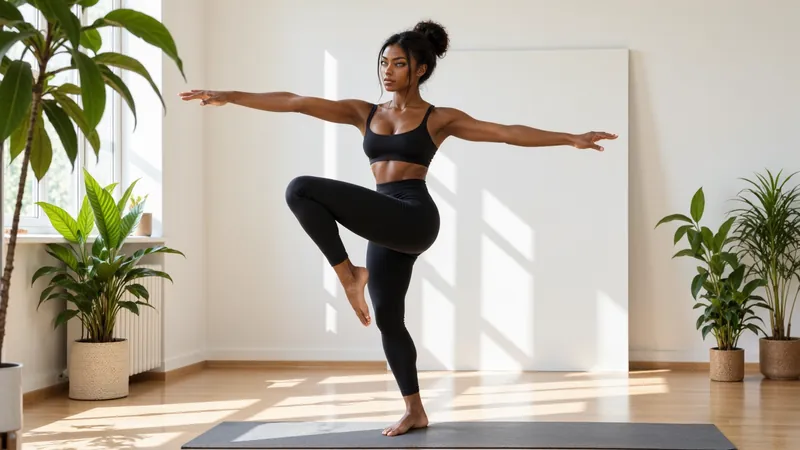
20-minute no-equipment home workout: a full-body circuit
Six exercises, a mat and a timer. The circuit suits beginners, takes 20 minutes including the warm-up and works your legs, glutes, back, chest and core.
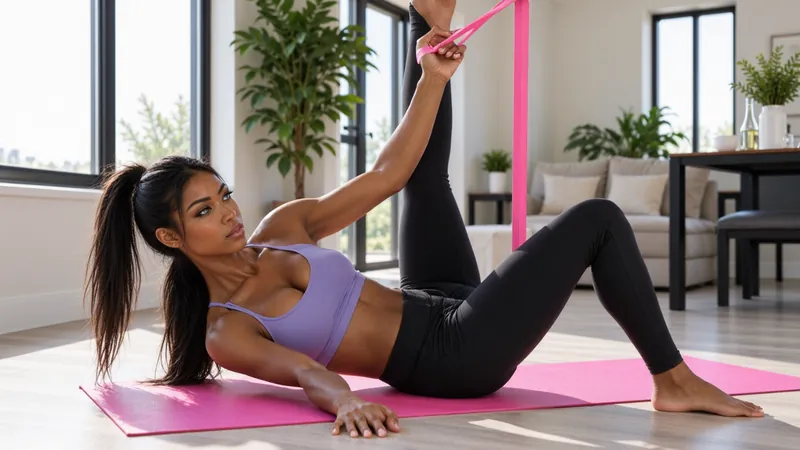
Resistance bands: which to choose and 6 exercises for glutes and legs
Fabric, latex, loops and flat bands: how they differ, what resistance a beginner should get and what to do with a band at home.
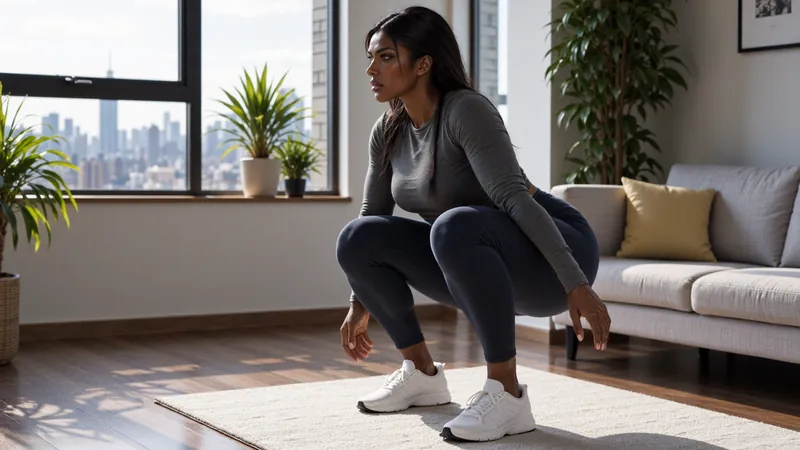
Squats without mistakes: knees, back and depth
Where to put your feet, where your knees should point, whether they can go past your toes and how deep to sit. A step-by-step guide to the bodyweight squat.